
The Most Common Gear Selector Issues and How They Can Be Resolved
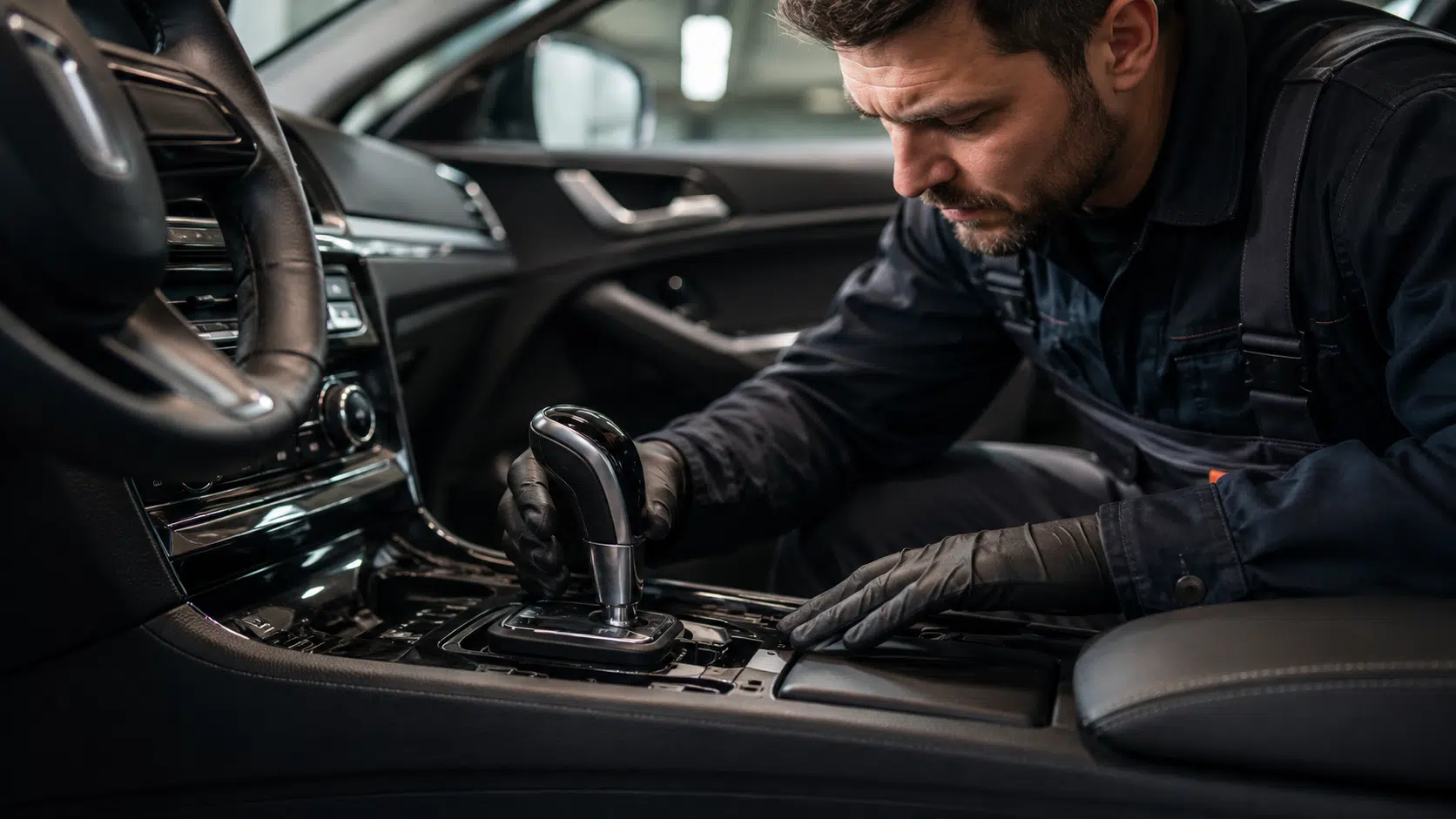
The gear selector is one of the most frequently used controls in a vehicle, yet it is often ignored until something goes wrong. Whether the car has a manual gearbox, a traditional automatic transmission or a modern electronic shift-by-wire system, the selector must transmit the driver’s command accurately.
When it starts to feel stiff, loose or unresponsive, the issue can quickly become more than a simple inconvenience. A faulty selector may prevent the driver from choosing the correct gear, stop the vehicle from moving or even create a safety risk when parking.
The good news is that many gear selector problems can be identified and resolved before they cause serious damage. The key is to recognise the symptoms, avoid forcing the mechanism and inspect the right components.
What is a gear selector?
The gear selector is the control used by the driver to choose a transmission position or gear. In a manual vehicle, it works with the clutch and a mechanical linkage to engage the selected gear. In an automatic vehicle, it allows the driver to choose positions such as Park, Reverse, Neutral and Drive.
Depending on the vehicle, the selector system may include:
- the gear lever or selector assembly;
- selector cables or linkage rods;
- bushings and retaining clips;
- a shift-lock mechanism;
- position sensors and electrical switches;
- electronic actuators and control modules;
- internal gearbox components.
This means that a problem with the visible lever does not always mean the selector assembly itself is faulty. The issue may be located further down the system.
When a replacement is needed, it is essential to choose a compatible gear selector that matches the exact vehicle model, transmission type and connection system.
The gear selector is difficult to move
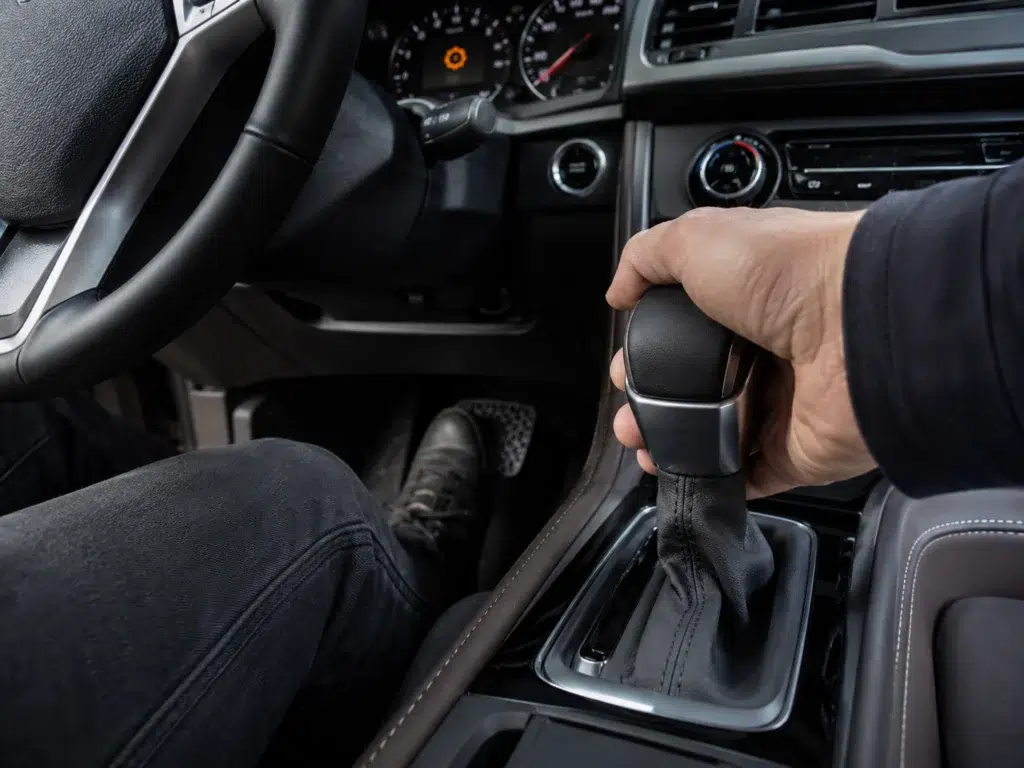
A selector that becomes stiff or difficult to move is one of the most common warning signs. The driver may need to use more force than usual, especially when selecting first gear, reverse or Park.
Possible causes include:
- a worn or damaged selector cable;
- dry, dirty or corroded linkage components;
- damaged bushings;
- incorrect cable adjustment;
- a clutch that is not fully disengaging;
- internal resistance inside the gearbox.
The selector should never be forced. Applying excessive pressure can damage the lever, bend linkage components or turn a minor fault into a more expensive repair.
On a manual vehicle, it is useful to compare gear selection with the engine running and switched off. If the gears engage normally when the engine is off but become difficult to select when it is running, the clutch system may be the real cause.
The gear lever feels loose or imprecise
A healthy gear lever should feel controlled and predictable. If it becomes loose, vague or disconnected, the linkage between the lever and the transmission may be worn.
Selector bushings are a frequent cause of this problem. These small components keep the linkage aligned and reduce unwanted movement. As they wear, the lever can develop excessive play.
Common symptoms include:
- excessive side-to-side movement;
- difficulty finding the correct gear position;
- a lever that does not return to the centre;
- rattling or vibration around the selector;
- missed shifts during normal driving.
Replacing worn bushings or linkage joints can often restore precise gear selection without replacing the entire transmission. The repair should not be delayed, because an imprecise selector increases the risk of selecting the wrong gear.
The automatic gear selector is stuck in Park
An automatic vehicle that refuses to move out of Park can be frustrating, but it does not necessarily mean the transmission has failed.
Most automatic vehicles use a shift-lock system. This safety feature prevents the selector from moving out of Park unless the brake pedal is pressed. If the system does not receive the correct signal, the selector may remain locked.
Common causes include:
- a faulty brake light switch;
- a blown fuse;
- a weak or discharged battery;
- a defective shift-lock solenoid;
- a damaged selector mechanism;
- an electrical wiring fault.
A simple first check is to see whether the brake lights work. If they do not illuminate when the brake pedal is pressed, the vehicle may not recognise that the driver is trying to release the selector.
Many vehicles also include a manual shift-lock release. Its location and operating procedure vary by model, so the owner’s manual should always be checked before using it. This emergency release should not be used as a permanent solution.
The vehicle does not recognise the selected gear
Modern vehicles often display the selected transmission position on the dashboard. If the display shows the wrong gear, flashes or fails to show a position, the issue may come from a selector position sensor or an electronic communication fault.
Possible symptoms include:
- the dashboard shows Neutral when Drive is selected;
- the engine will not start even though the selector is in Park;
- the reverse lights do not activate in Reverse;
- the transmission enters a reduced-performance mode;
- a warning message appears on the instrument panel.
Electronic selectors rely on accurate signals. A diagnostic scan can help determine whether the fault comes from the selector assembly, a sensor, a wiring connection or the transmission control module.
In this situation, replacing parts without reading the fault codes can waste both time and money.
The selector moves, but the transmission stays in the same gear
If the selector moves normally but the vehicle does not respond, the linkage may no longer be connected correctly to the transmission.
This can happen when:
- a selector cable breaks or becomes detached;
- a linkage joint fails;
- a retaining clip comes loose;
- a cable end or bushing wears out;
- an electronic actuator stops working.
For example, the lever may appear to be in Park while the transmission is still in Drive or Neutral. This creates a serious safety risk, especially if the driver assumes the vehicle is secured.
If the selector position and the vehicle’s actual behaviour do not match, the car should not be driven until the system has been inspected.
There are unusual noises when changing gear
Clicking, grinding, clunking or rattling noises during gear selection should never be ignored. The selector itself may not be the only component involved.
On a manual gearbox, grinding can indicate that the clutch is not disengaging correctly or that internal synchronisers are worn. On an automatic transmission, a heavy clunk may point toward a mount, drivetrain or transmission problem.
Unusual noises may also come from:
- loose selector trim;
- worn linkage joints;
- damaged engine or gearbox mounts;
- low or degraded transmission fluid;
- internal gearbox wear.
The sound, the driving conditions and the gears affected all provide useful clues. A noise that appears only when selecting Reverse may have a different cause from one that occurs during every shift.
The selector does not stay in position
A selector that jumps out of gear, returns unexpectedly or fails to remain in the chosen position requires immediate attention.
In a manual car, jumping out of gear may be linked to internal transmission wear, damaged mounts, linkage misalignment or worn selector components. In an automatic vehicle, a selector that does not remain securely in Park can create a rollaway risk.
The vehicle should be secured with the parking brake and inspected before further use. This is not a fault that should be monitored casually.
Spilled liquids and dirt can damage the selector
The selector is located in one of the busiest areas of the cabin. Drinks, dust, crumbs and dirt can enter the mechanism over time, especially around automatic selector gates and electronic buttons.
Sticky movement, unresponsive buttons or intermittent operation can sometimes be traced to contamination inside the selector assembly.
Light surface cleaning may help when the problem is minor, but electronic components should never be flooded with cleaning products. If liquid has entered the mechanism, professional inspection is safer than aggressive DIY cleaning.
How to diagnose a gear selector problem
A structured diagnosis helps avoid replacing the wrong part.
| Symptom | Possible cause | Recommended action |
|---|---|---|
| Selector is stiff | Cable, linkage, clutch or gearbox resistance | Inspect the linkage and clutch operation |
| Selector feels loose | Worn bushings or linkage joints | Check for play and replace worn parts |
| Automatic selector is stuck in Park | Brake switch, fuse, battery or shift-lock fault | Check the brake lights and diagnose the lock system |
| Wrong gear shown on the dashboard | Position sensor or electronic fault | Perform a diagnostic scan |
| Lever moves but the gear does not change | Detached cable or failed actuator | Stop driving and inspect immediately |
| Selector does not stay in gear | Linkage, mount or internal transmission fault | Secure the vehicle and arrange a repair |
Before ordering a replacement part, always confirm the vehicle identification details, gearbox type and exact selector design. A component that looks similar may still use different connectors, cable lengths or mounting points.
Platforms such as PartHunt24 can help drivers compare compatible used car parts from different sellers, but compatibility should always be checked carefully before purchase.
Can a gear selector be repaired?
Some selector problems can be resolved without replacing the complete assembly. A worn bushing, a damaged retaining clip, a poorly adjusted cable or a faulty electrical connection may be repaired individually.
A complete selector replacement may be necessary when:
- the selector housing is cracked;
- internal mechanical parts are damaged;
- electronic buttons or sensors have failed;
- the shift-lock mechanism is defective;
- the assembly has suffered liquid damage;
- individual replacement components are not available.
Used parts can be a cost-effective solution, particularly for older vehicles, but they should be inspected for wear and matched precisely to the original specification.
When should the vehicle stop being driven?
Some selector faults are inconvenient. Others are dangerous.
Stop driving and arrange an inspection if:
- the vehicle can move out of Park without the brake pedal being pressed;
- the selector position does not match the actual gear;
- the vehicle cannot be secured in Park;
- the lever moves but the transmission does not respond;
- the car jumps out of gear;
- gear selection causes severe grinding or sudden movement.
When parking a vehicle with a suspected selector fault, apply the parking brake firmly and avoid relying only on the transmission’s Park position.
Final thoughts
A gear selector problem should never be dismissed as a minor annoyance. The lever may be small, but it controls one of the most important systems in the vehicle.
Stiff movement, excessive play, incorrect gear recognition and shift-lock faults all deserve attention. The earlier the cause is identified, the greater the chance of avoiding additional damage and a more expensive repair.
The best approach is to observe the symptoms carefully, avoid forcing the mechanism and confirm the diagnosis before replacing parts. A precise repair restores more than smooth gear changes. It also restores confidence every time the vehicle moves.
Mis à jour le 12 octobre 2026 à 01h00
| # | Pilote | Victoires | Points |
|---|---|---|---|
| 1 | Jorge Martín Aprilia Racing |
1 | 355 |
| 2 | Marc Márquez Ducati Lenovo Team |
6 | 353 |
| 3 | Marco Bezzecchi Aprilia Racing |
5 | 309 |
| 4 | Ai Ogura SuperFile Trackhouse MotoGP Team |
1 | 259 |
| 5 | Pedro Acosta Red Bull KTM Factory Racing |
1 | 258 |
Jouer comporte des risques : endettement, isolement, dépendance. Appelez le 09 74 75 13 13 (appel non surtaxé).
Vos billets MotoGPComparez les places avant qu'elles ne partent.Réserver avec GooTicketsMotoblouzCasque, gants, cuir : l'équipement des pros.Voir les équipementsAssurlandComparez les assurances moto en 2 minutes.Comparer les assurances